
How to Train Your Dog to Relax at Restaurants
Share
There is nothing quite like the dream of a sunny afternoon, a cold drink, and your best four-legged friend curled up at your feet while you enjoy a meal. But for many owners, the reality looks a bit more like a tangled leash, a knocked-over water bowl, and a dog who thinks every passing waiter is their new best friend.
If your "relaxing" lunch feels more like a workout, don't worry. Learning how to train your dog to relax at restaurants is a skill, and like any skill, it takes a little practice and the right approach.
Can all dogs go to outdoor restaurants?
Before you grab the leash, it’s important to set realistic expectations. While we’d love to take our dogs everywhere, not every dog is ready for the hustle and bustle of a patio.
If your dog is highly reactive to other dogs, extremely fearful of loud noises, or struggles with redirected aggression, a busy restaurant might be too much, too soon. The goal is for the outing to be fun for both of you. If your dog is constantly stressed, they aren’t "enjoying" the brunch—they’re just surviving it. Start with short, quiet outings and build up their confidence first.
So your dog won’t settle in public. Here’s why.
It’s frustrating when your dog is a perfect angel at home but turns into a chaotic mess the moment you sit down at a café. If your dog won’t settle in public, it’s usually due to one of three things:
- Overstimulation: There are new smells, moving chairs, clinking silverware, and strangers everywhere. It’s a sensory overload.
- The "Frustrated Greeter" Syndrome: Some dogs love people so much that being told to "stay" while people walk by feels like torture.
- Lack of Generalization: Dogs don't naturally understand that "down" in the living room means the same thing on a concrete patio. You have to teach them that the rules apply everywhere.
How to train your dog to relax in public
The secret to a calm café dog isn't just a "stay" command; it’s teaching them that their "job" at a restaurant is to do nothing at all. This is often called dog place training.
Step 1: Master the "Settle" at Home
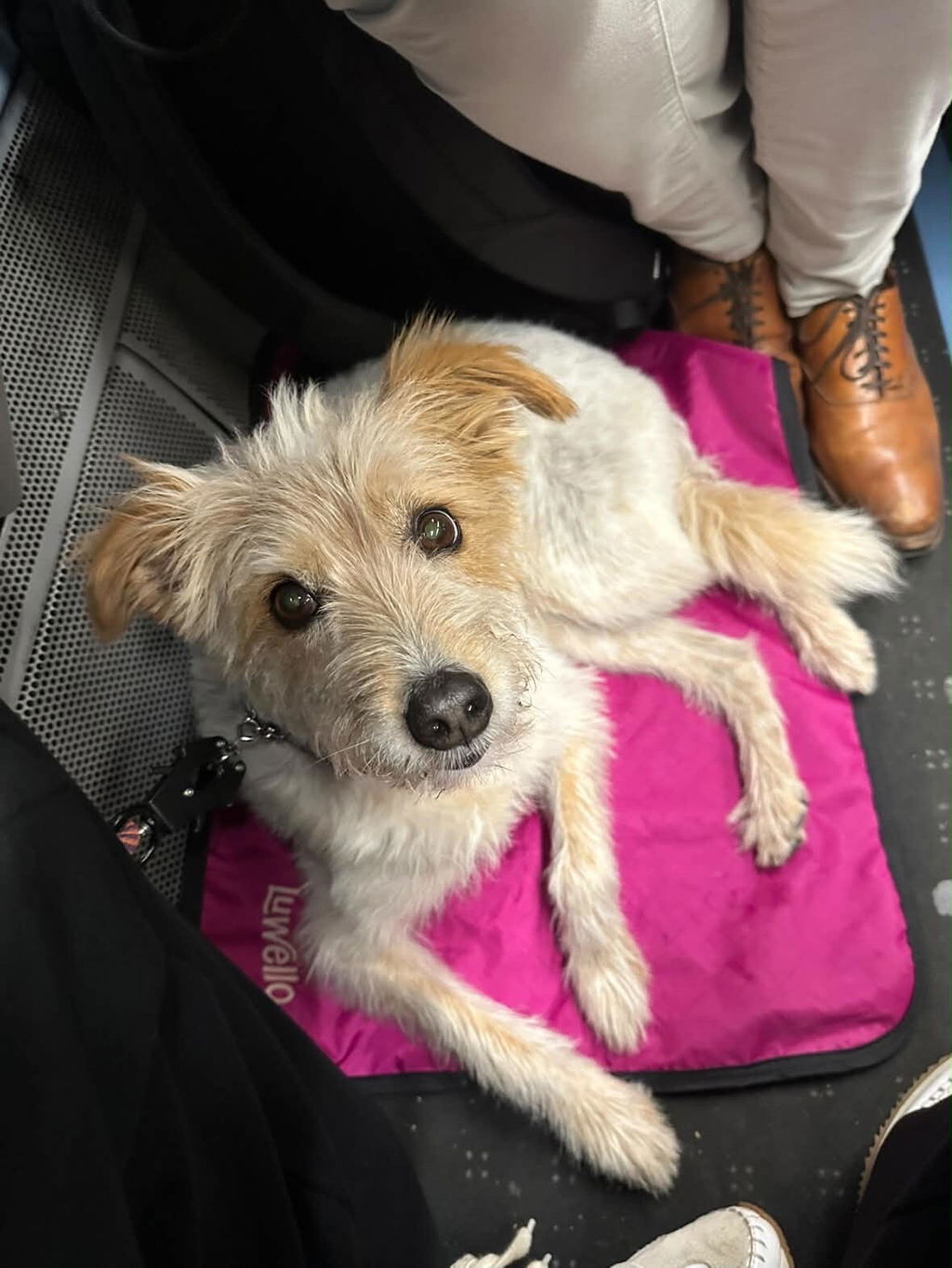
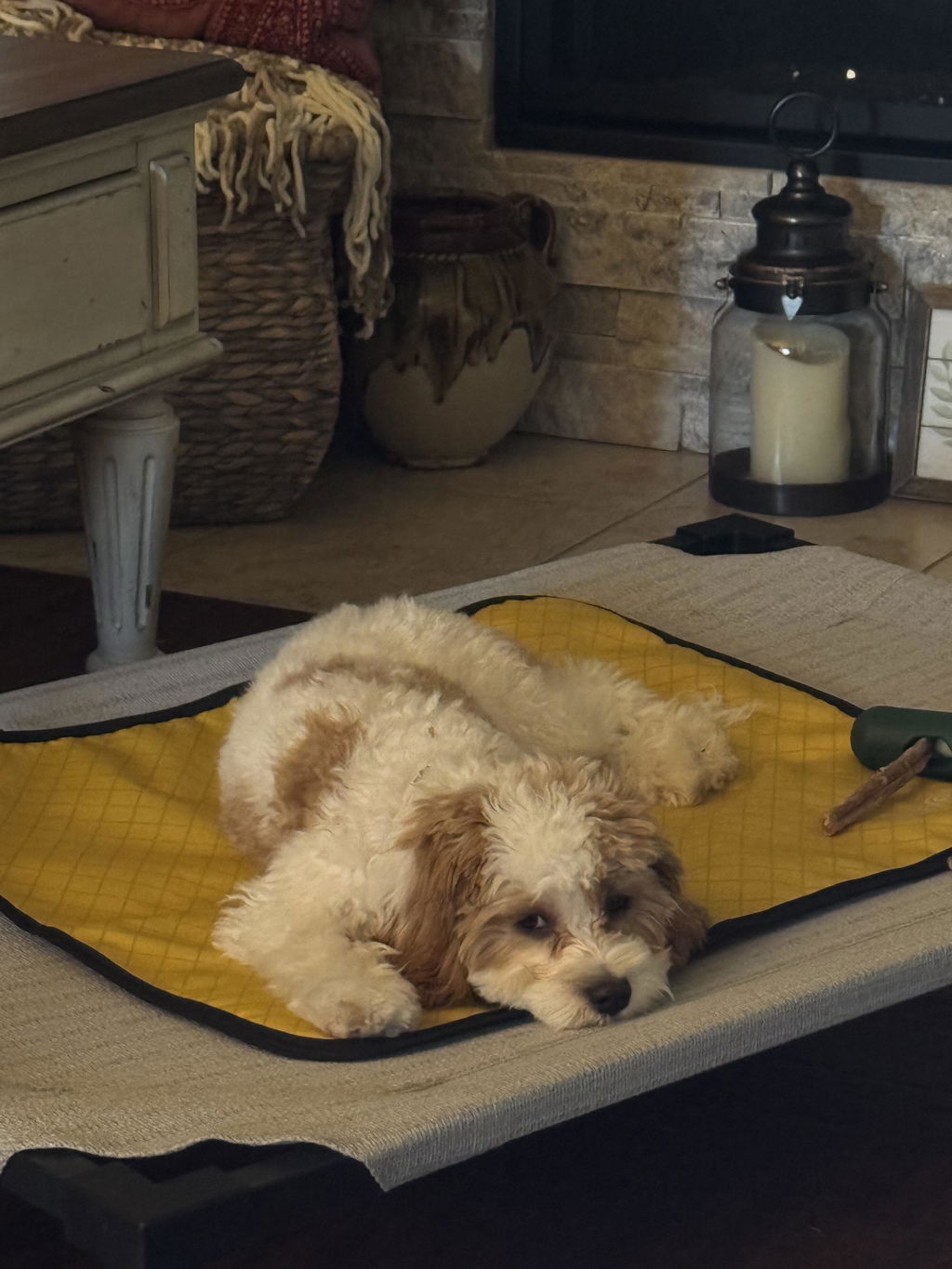
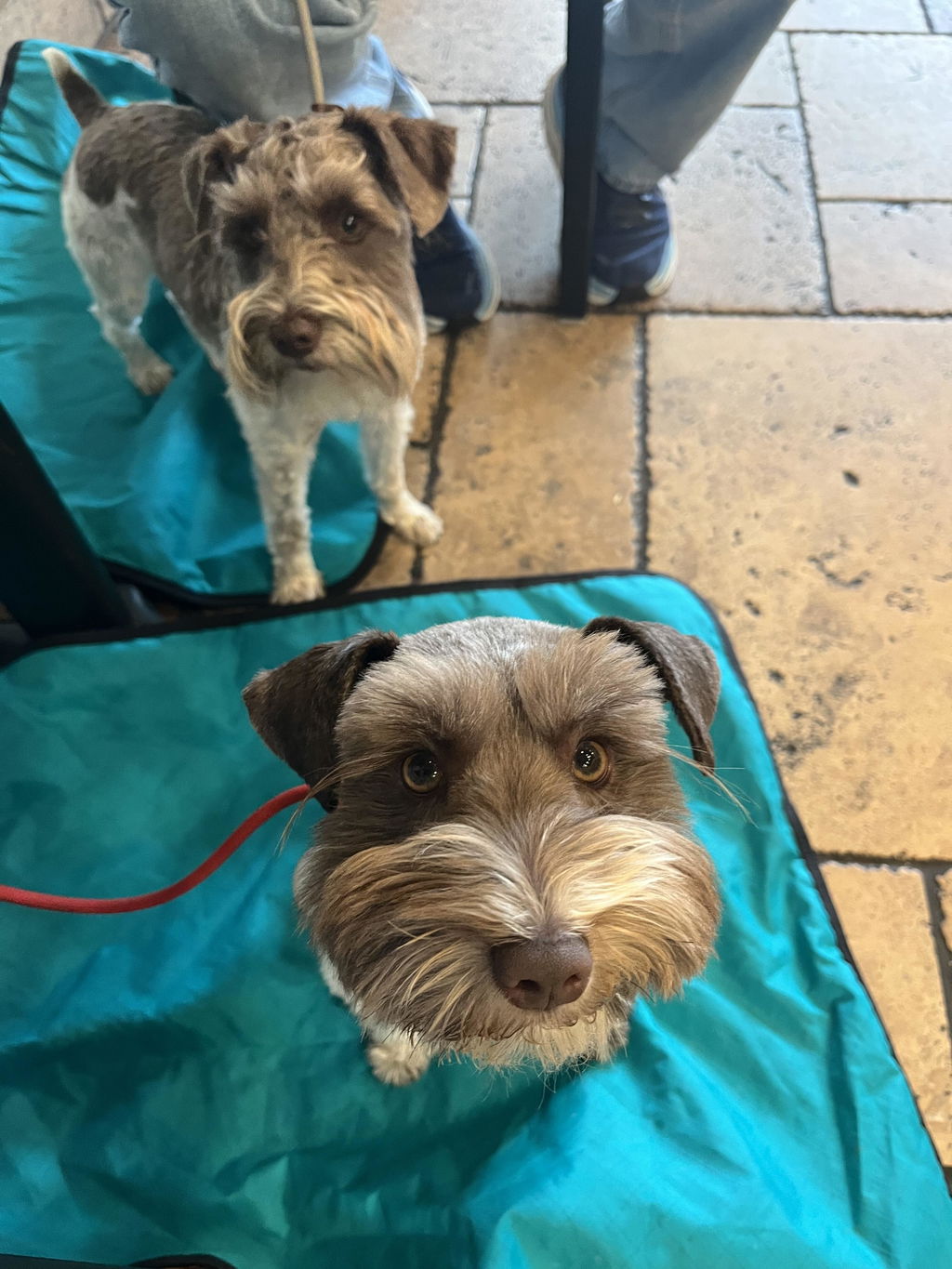
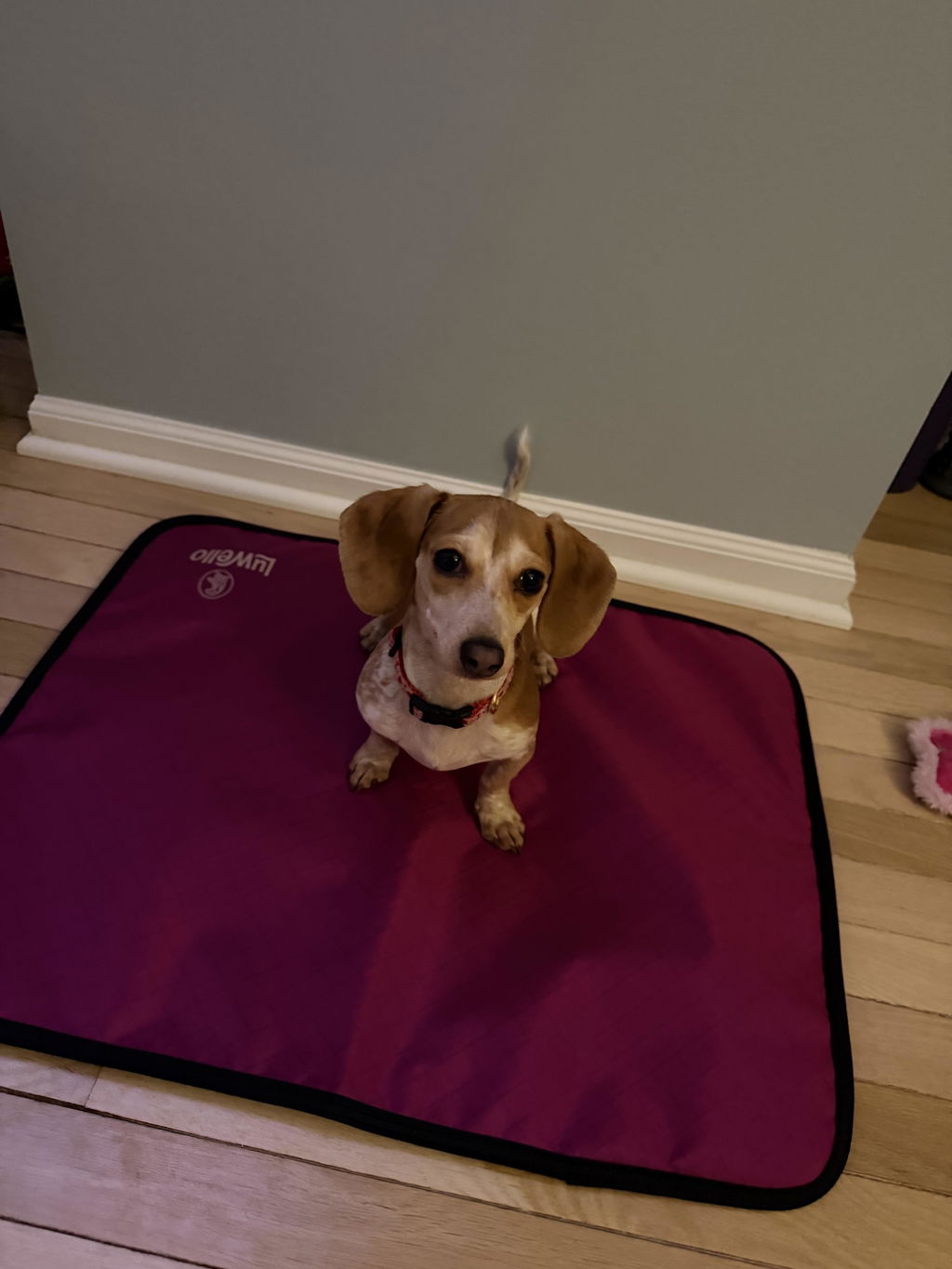
Before heading out, use a specific mat or towel and reward your dog for lying down on it. You want them to associate that specific mat with "chill time." Check out our guide on settle mat training to get the foundations solid.
Step 2: The "Boring" Walk
Before the restaurant, go for a walk to burn off physical energy, but give them 10-20 minutes of "sniff time" to tire out their brain, too. A tired dog is a settled dog.
Step 3: Practice in Low-Stakes Environments
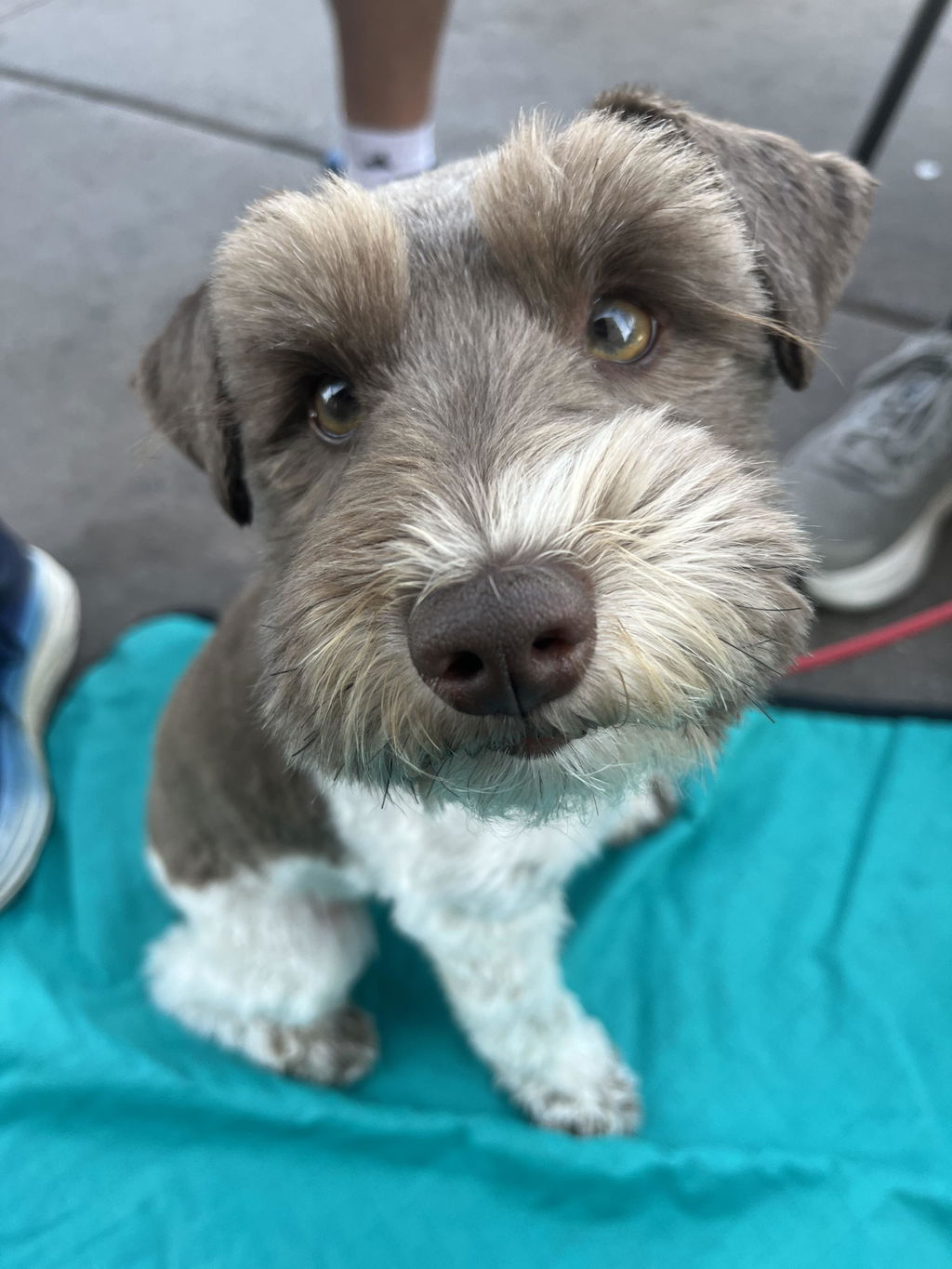
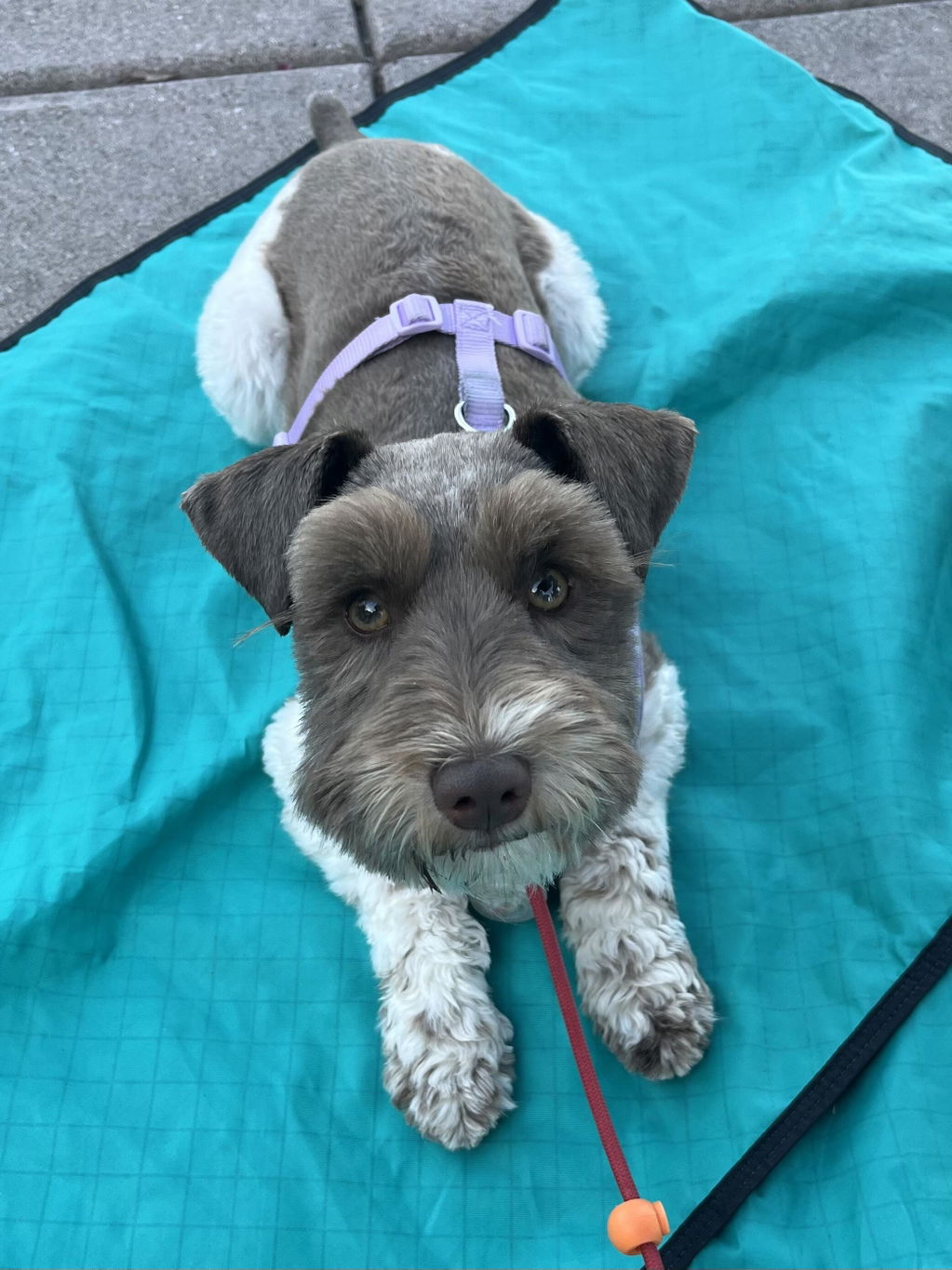
Don’t make your first outing a Friday night happy hour. Try a quiet park bench or a coffee shop during off-peak hours. Bring your mat, put it under the table (out of the way of foot traffic), and reward your dog for any sign of relaxation—a sigh, a chin rest, or shifting their weight to one hip.
What to bring when you take your dog to a restaurant
Being prepared is half the battle. To set your dog up for success, pack a "go-bag" with these essentials:
- A Portable Settle Mat: This gives them a defined space that smells like home and protects them from hot or cold pavement.
- High-Value Treats: Use something better than their standard kibble to keep their focus on you.
- A Portable Water Bowl: Staying hydrated keeps them comfortable. Many dog-friendly restaurants offer this if you forget yours!
- A Long-Lasting Chew: A bully stick or a stuffed toy can give them something productive to do while you eat.
Tips for success and common mistakes
To master dog training for public places, keep these final tips in mind:
- Watch your leash: Never tie your dog to the table. If they lunge or bolt, your lunch (and the table) is going with them. Step on the leash or keep it looped around your arm. Or try a hands-free waist leash to keep them tied to your waist while you enjoy your meal.
- Pick your spot: Ask for a corner table or something on the edge of the patio. It limits the number of people passing by your dog.
- Know when to leave: If your dog is having a hard time and can’t calm down, it’s okay to pay the bill and go. Forcing a stressed dog to stay usually makes the next outing harder.
- Don't reward the begging: It’s tempting to toss a fry, but this tells your dog that the table is an active "work zone" for food, which is the opposite of relaxing.
With a little patience and a reliable settle mat, you’ll be well on your way to having the best-behaved dog on the patio.
If you’re looking for a similar way to keep your dog comfortable on the go, especially during outdoor adventures, check out our guide to using our settle mat as a hiking mat for dogs.