
Why Use a Hiking Mat for Dogs? Comfort and Safety on the Trail
Share
You've got your pack loaded, your boots laced, and your dog is already spinning circles by the door. There's nothing like hitting the trail with your best adventure partner — but if you've ever watched your dog reluctantly flop down on sharp gravel or a sun-baked rock during a rest break, you know the feeling: they deserve better gear too.
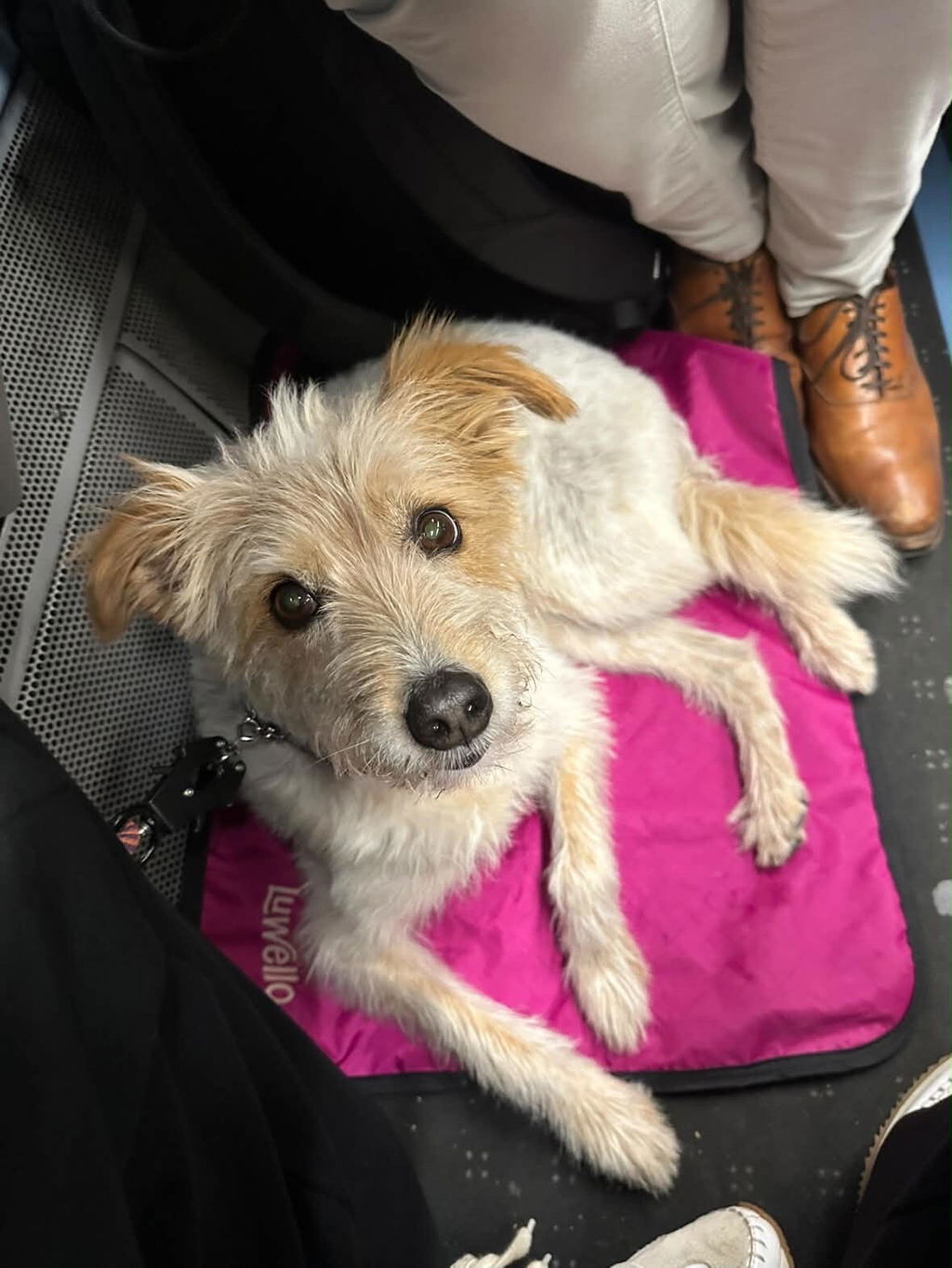
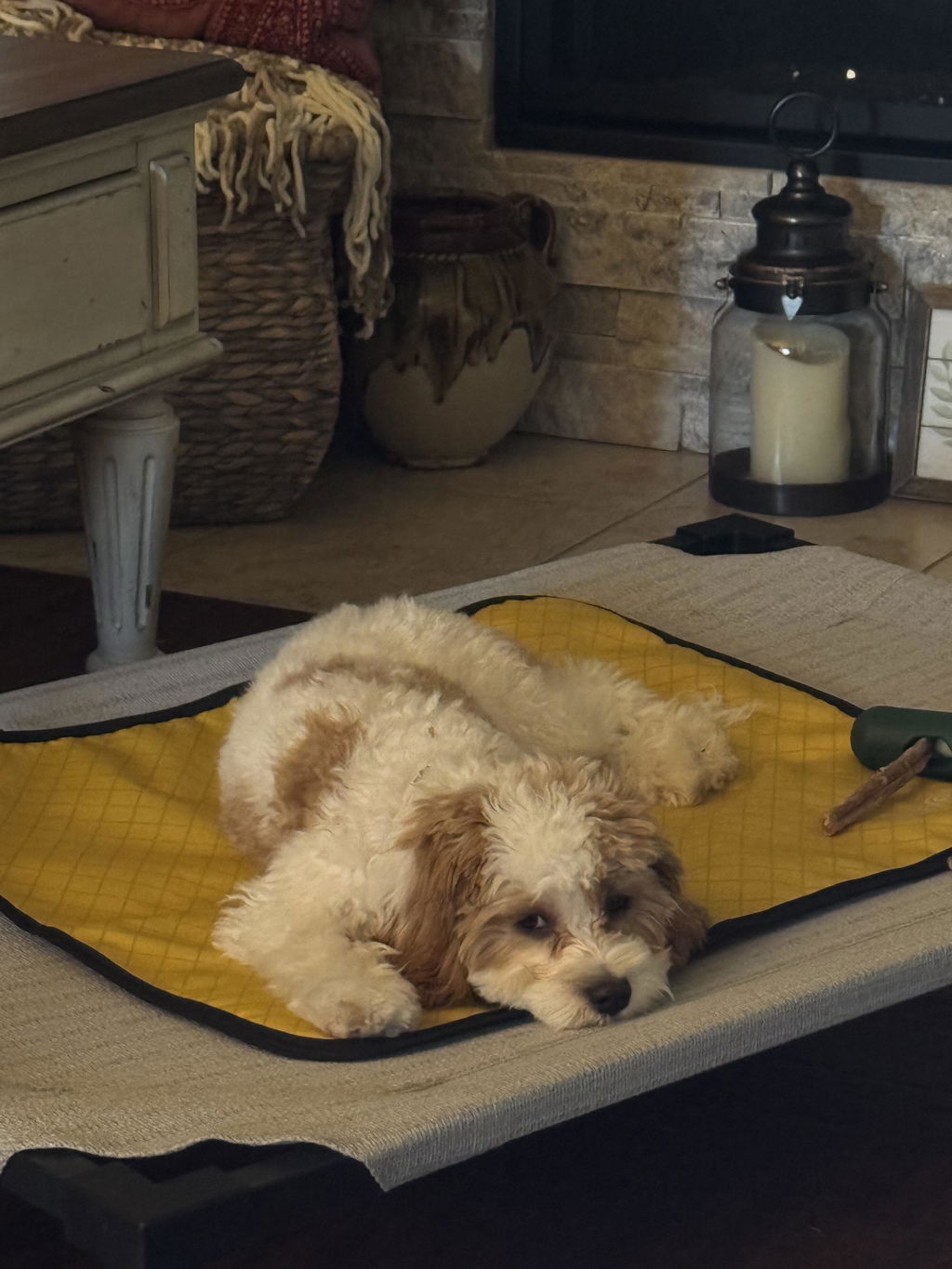
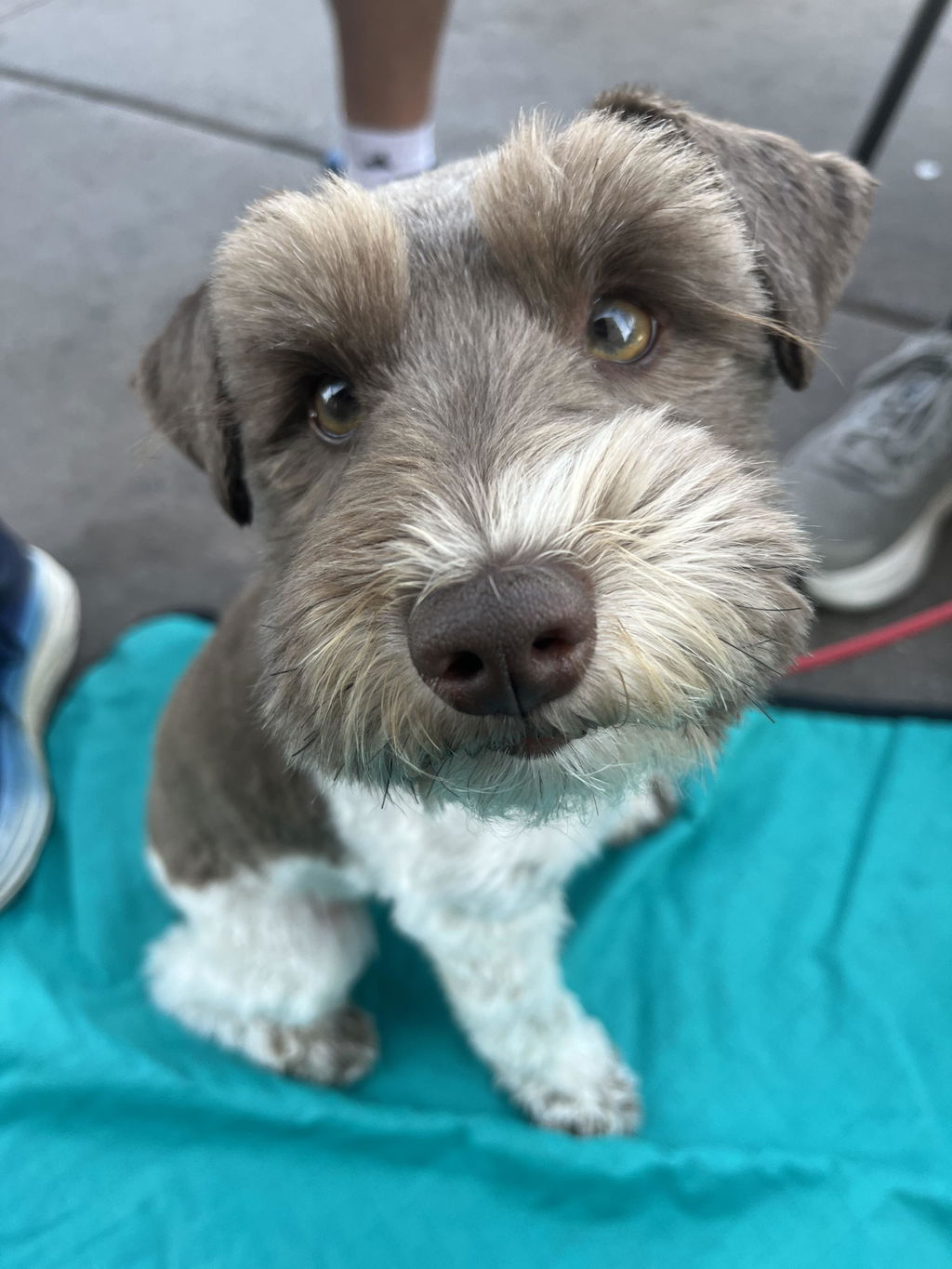
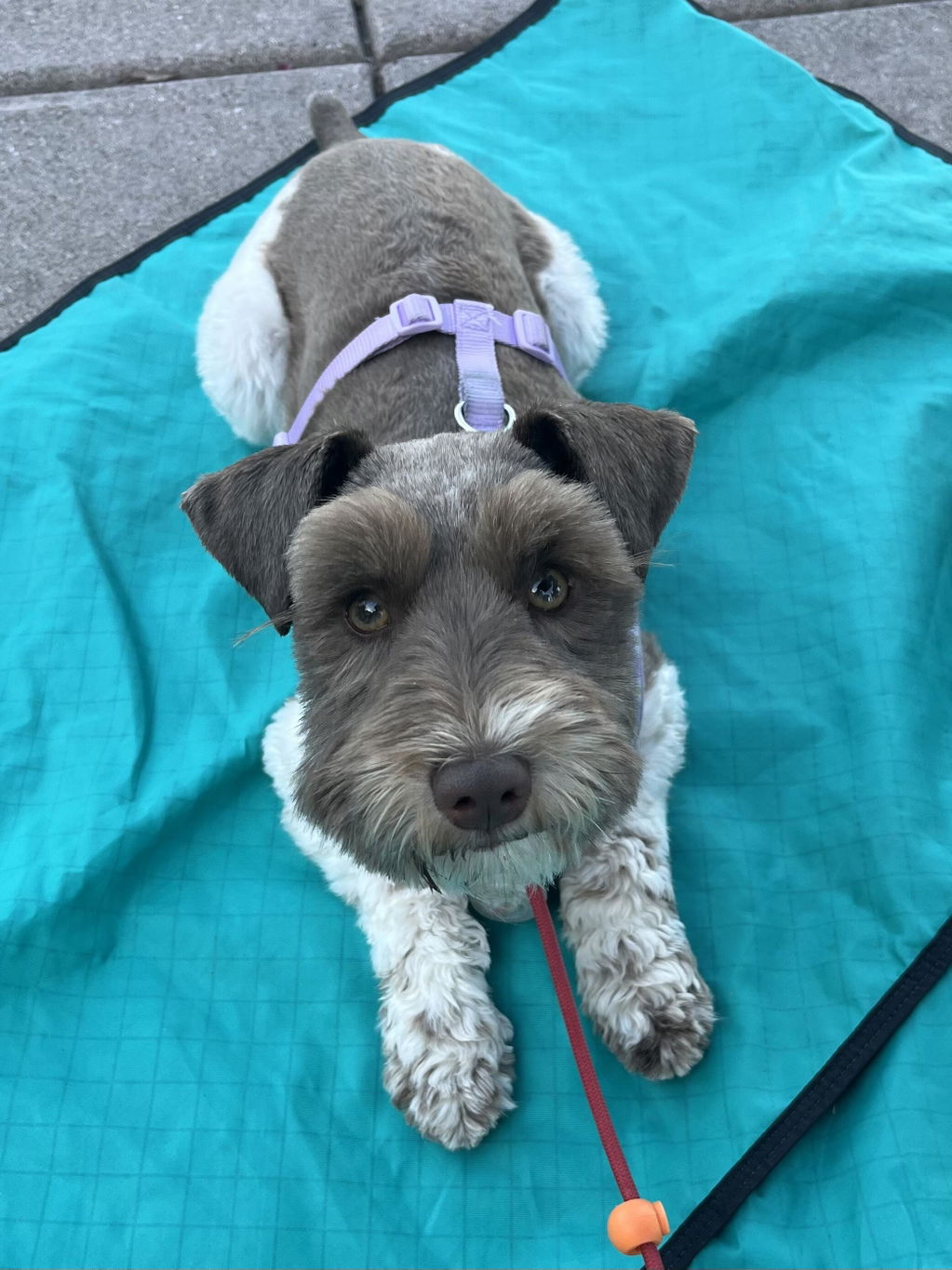
A dog hiking mat might not be the first thing that comes to mind when you think about trail essentials, but once you've used one, it's hard to imagine leaving it behind. Here's why a hiking mat for dogs belongs in your pack — and what to look for when you're choosing one.
Why Dogs Need a Resting Spot on the Trail
We humans get trail shoes, cushioned insoles, and trekking poles. Our dogs get... rocks. Hot pavement. Uneven terrain that's hard on their joints, their paws, and their bodies — especially on longer hikes.
Here's what's actually happening when your dog takes a break mid-trail without a dedicated resting spot:
Heat transfer from the ground. Exposed rock and dark soil can reach temperatures that would surprise you, even on mild days. Dogs regulate body temperature differently than humans, and hot ground contact during rest can make it harder for them to cool down.
Joint stress on hard surfaces. Older dogs and large breeds especially feel the impact of lying directly on rocky or uneven terrain. Just like we'd never sleep on concrete without a sleeping pad, our dogs benefit from a cushioned surface between them and the ground.
Fatigue and recovery. A proper rest is only a proper rest if it's actually restful. A dog that spends a break fidgeting on uncomfortable ground isn't recovering the way they need to for the miles ahead.
Paw protection. It's not just about lying down — a mat gives your dog a soft landing zone when they stop, reducing abrasion on sensitive paw pads that are already working hard.
Benefits of Using a Hiking Mat for Dogs
Beyond basic comfort, a dog hiking mat brings a few specific advantages that outdoor-focused dog owners quickly come to appreciate.
Familiar comfort in unfamiliar places. Dogs are creatures of habit. A mat they recognize from home or car trips becomes a portable safe spot — a signal that it's time to settle and rest, no matter where you are. This is especially helpful at busy trailheads, scenic overlooks, or crowded campsites where your dog might otherwise feel overstimulated.
Insulation from cold ground. On early-season hikes or higher-elevation trips, ground temperatures drop fast. A mat provides a layer of insulation that helps your dog retain body heat during breaks — important for short-haired breeds or dogs that run lean.
A clean place to land. Mud, burrs, sap, and mystery substances are part of trail life. A dedicated mat gives your dog somewhere to rest that you can rinse off or wipe down, which also makes post-hike cleanup easier for you.
Peace of mind at camp. If you're backpacking overnight, a dog sleeping pad for hiking means your dog has a proper sleep surface — and isn't wedging into your sleeping bag at 2am because the tent floor is cold.
What to Look for in Lightweight Dog Pads for Backpacking
Not all dog mats are built for the trail. Here's what actually matters when you're evaluating lightweight dog pads for backpacking:
Weight and packability. Every ounce counts when you're covering serious miles. Look for a mat that rolls or folds into a compact size and either clips to your pack or tucks inside it without eating up too much space. If it's too bulky or heavy, it'll get left at the car every time.
Durability for real terrain. Trail use is rougher than home use. Look for reinforced materials that can handle rocky surfaces, wet conditions, and the general chaos of an active dog who's spent the day in the woods.
Easy cleaning. Rinse-clean or wipe-clean surfaces are non-negotiable for trail gear. Anything that needs to be machine-washed every time you use it is going to spend a lot of time sitting dirty in your gear pile.
Size for your dog. Your dog should be able to lie down fully on the mat without hanging off the edges. For backpacking, this can mean sizing up slightly versus what you might choose for indoor use, since dogs tend to sprawl more when they're genuinely tired.
Non-slip base. A mat that slides around on rocks or slick surfaces isn't much help. A grippy underside keeps the mat — and your dog — stable.
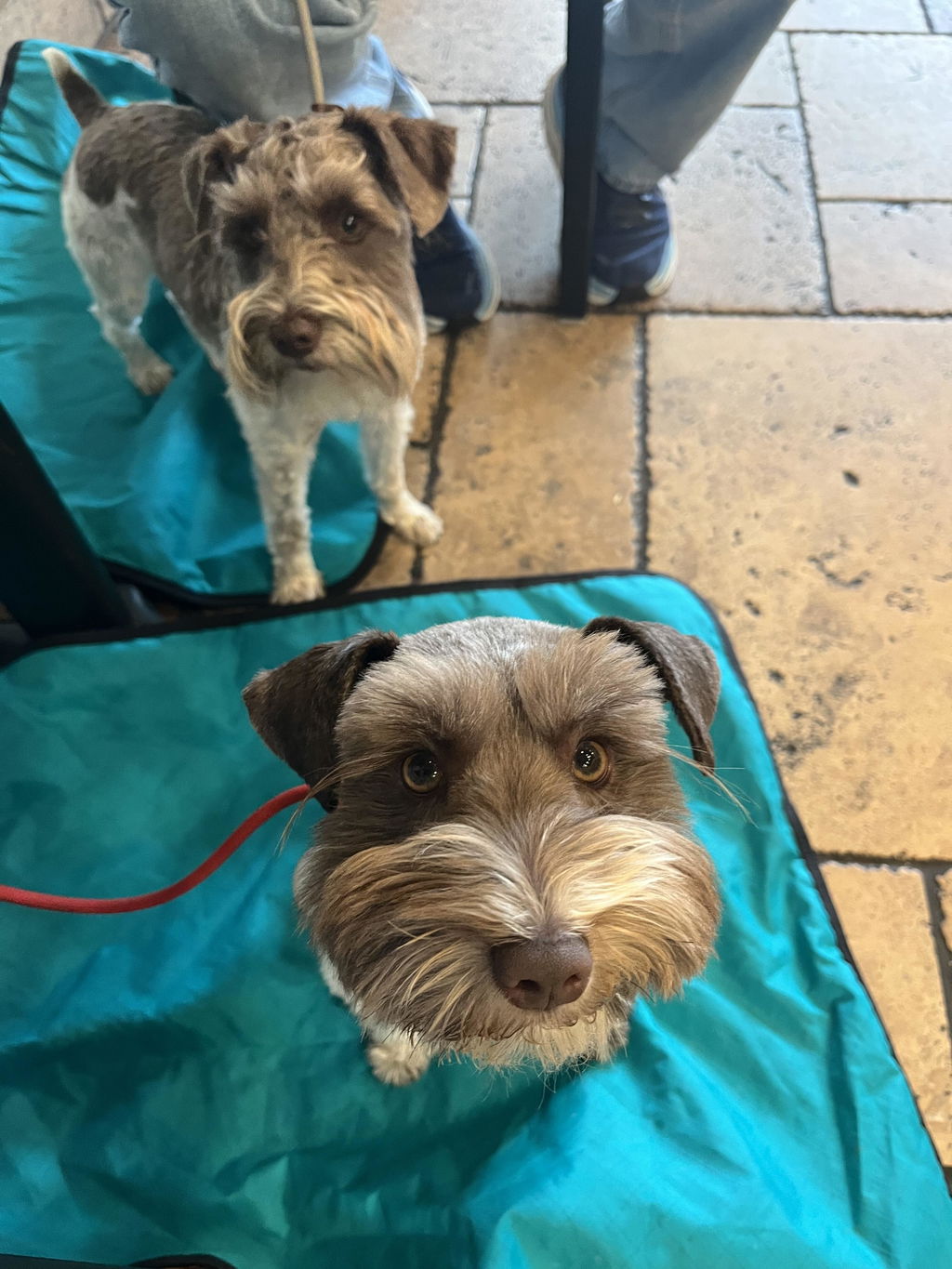
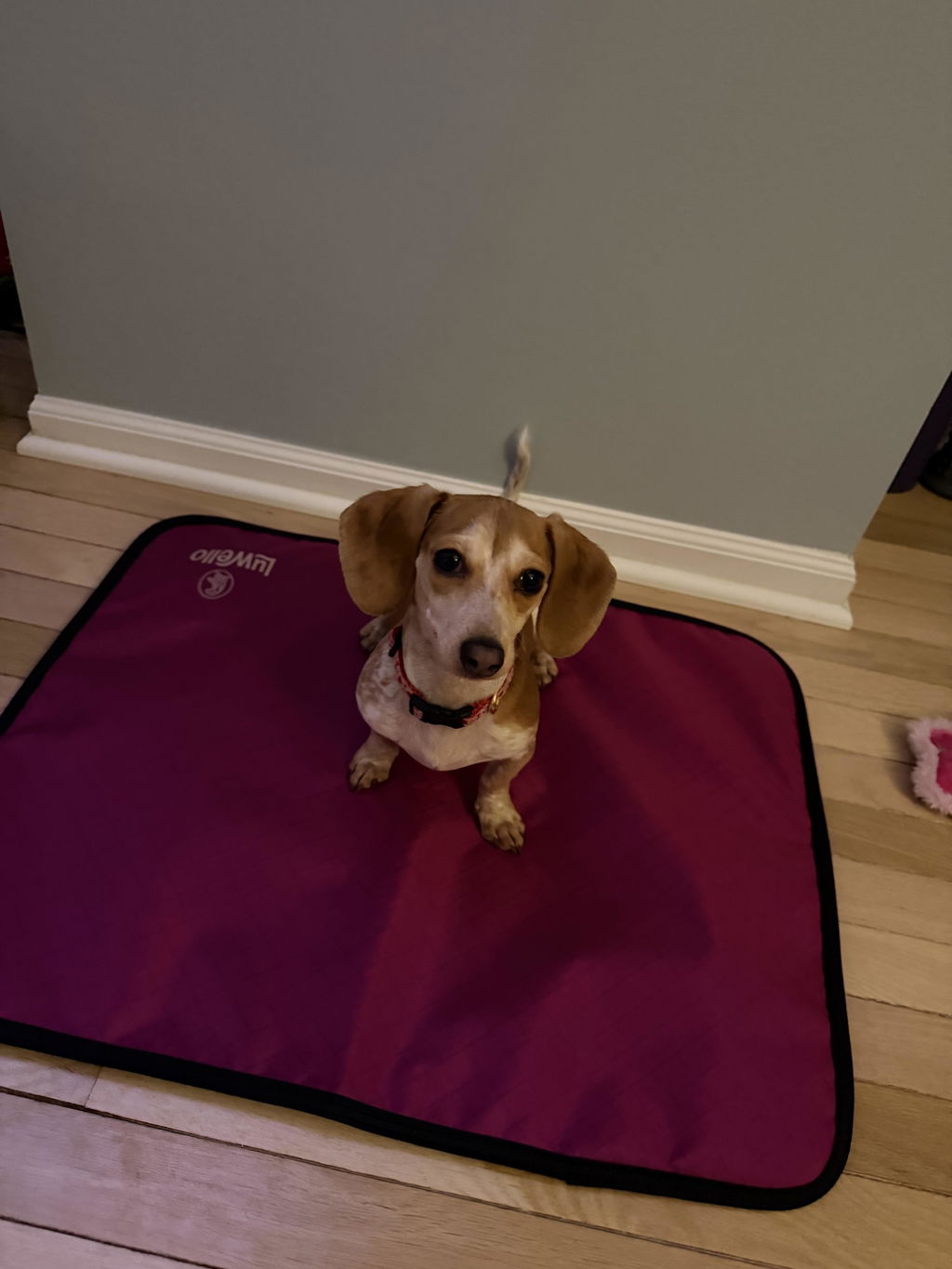
Our Settle Mat was designed with exactly these needs in mind. It's lightweight, packable, and easy to rinse clean — making it one of the best dog pads for hiking for outdoor-focused dog owners who don't want to compromise on quality or sustainability. It's made in the USA from eco-conscious materials, which means it's built to last and leaves a smaller footprint.
How to Use a Dog Hiking Mat on the Trail
Using a dog hiking mat effectively is partly about timing — knowing when to pull it out and how to make it part of your hiking routine.
Rest breaks every 45–90 minutes. Depending on your dog's age, breed, and conditioning, plan to stop regularly. Pull out the mat, give your dog the cue to settle (a settle mat training guide can help if your dog is still learning), and let them fully decompress before moving on.
Scenic stops and viewpoints. These tend to be the moments you actually want your dog to hold still — when you're taking photos, taking in the view, or having lunch. A mat gives your dog a place to be that isn't your lap or the edge of a cliff.
At the trailhead and parking areas. Hot asphalt is often worse than anything on the trail. Pulling out the mat when you arrive and depart protects your dog during transitions.
Overnight camping. Set up your dog's mat in the tent or just outside the shelter entrance. Dogs that have a consistent sleep spot tend to settle faster and sleep better — which means you do too.
Dog Hiking Essentials: What Else to Bring
A hiking mat is a great addition to your kit, but it works best alongside the rest of your dog backpacking gear. Here's a solid packing list for a day hike or overnight:
- Water and a collapsible bowl. Dogs dehydrate faster than most people realize on the trail. Bring more water than you think you'll need, and stop to offer it regularly — don't wait for your dog to ask.
- A well-fitted harness. A harness distributes pressure across your dog's chest and shoulders rather than their neck, which matters especially on uneven terrain where leash tension is unpredictable. Our Roman Harness is slim, lightweight, and designed for dogs that are actually moving through the world. Pair it with our Hands Free leash for a streamlined setup.
- High-value treats. Trail rewards keep your dog engaged, help with recall, and can be a useful distraction if you encounter wildlife or other dogs.
- Paw balm or dog booties. Extended trail time is hard on paw pads. Balm before and after helps; booties are worth considering for sharp scree or hot surfaces.
- Basic first aid kit. Pack tick remover, gauze, antiseptic wipes, and any medications your dog needs. Know the nearest emergency vet to wherever you're hiking.
- Your dog's ID and any required permits. Some trails and parks require proof of vaccination or charge a dog fee. Check before you go.
Tips for Hiking Safely with Dogs
Good gear sets you up for success, but safe hiking with dogs also comes down to reading your dog and making smart decisions in the field.
Start slow if your dog is new to hiking. Build distance and elevation gradually over several trips rather than throwing a first-time trail dog into an 10-mile day. Their paws, muscles, and joints need time to condition just like yours do.
Watch for fatigue signals. Heavy panting beyond what the exertion warrants, lagging behind, reluctance to move forward, excessive drooling, or seeking shade aggressively are all signs your dog needs a rest or a cool-down — not encouragement to keep going.
Check paws regularly. Inspect pads during breaks for cuts, embedded debris, or signs of soreness. Dogs will often keep moving on injured paws because they don't want to be left behind.
Know the weather. Heat is the biggest risk for most dogs on summer hikes. Plan to be off exposed trails before midday heat peaks, carry extra water, and know that humidity makes heat stress worse even when temperatures seem manageable.
Respect the trail and other hikers. Keep your dog under voice control or on leash as required. Not everyone on the trail is comfortable around dogs, and wildlife encounters can go sideways fast with an off-leash dog.
Know your dog's limits. This is the most important one. A well-rested dog that's been given proper breaks, hydration, and a comfortable place to recover will always outperform a dog that's been pushed past their comfort zone. Your hiking mat is part of that equation.
Frequently Asked Questions
Do dogs need a sleeping pad when hiking?
They don't need one the way they need water or food — but it meaningfully improves their rest, joint comfort, and recovery, especially on rocky or cold terrain. For overnight backpacking trips or dogs with joint issues, a sleeping pad goes from nice-to-have to genuinely important.
Are lightweight dog pads worth bringing on hikes?
Yes — especially once you find one that's actually packable. The best lightweight dog pads for backpacking add very little weight to your kit while giving your dog a proper place to rest at every break. After one or two trips using one, most dog owners won't leave home without it.
How do you keep dogs comfortable during long hikes?
Frequent breaks with a dedicated rest surface, consistent hydration, paw checks, and knowing your dog's fitness level are the core of keeping dogs comfortable on longer hikes. A dog hiking mat makes rest breaks more effective because your dog can actually relax, rather than shifting around on uncomfortable terrain. Pair that with the right harness fit, good nutrition, and smart pacing, and most healthy dogs are capable of more on the trail than their owners expect.
Planning more social outings? Learn how to train your dog to relax at restaurants using our portable settle mat.
Every Luwello purchase supports canine cancer research — because the dogs who go the distance with us deserve a fighting chance.