

How a Harness Can Help Protect Your Dog’s Airway
Share
If your dog coughs, hacks, or struggles after leash pressure, you’re not alone. For dogs prone to tracheal collapse, even everyday walks can put strain on the airway. The right harness can help reduce pressure on the neck and make walks safer and more comfortable
At Luwello, we design our gear with your dog’s health in mind. In this blog, we’ll explore the dangers of tracheal collapse, why collars contribute to the problem, and how our Roman harness offers a safer alternative.
What Is Tracheal Collapse in Dogs?
Tracheal collapse is a condition in which the cartilage rings that support the windpipe weaken over time, causing the airway to flatten partially or fully. It can be congenital or develop gradually, and it ranges from mild to severe.
Common Symptoms
- A dry, honking cough — often described as sounding like a goose
- Gagging or retching, especially after drinking or excitement
- Labored or noisy breathing
- Exercise intolerance or tiring quickly on walks
- Coughing triggered by leash pressure or collar contact
- Bluish tint to the gums in severe cases (seek emergency care immediately)
Breeds Most Affected
Tracheal collapse is most common in small and toy breeds, including:
- Chihuahuas
- Pomeranians
- Yorkshire Terriers
- Shih Tzus
- Lhasa Apsos
- Toy and Miniature Poodles
- Pugs
- Maltese
Larger breeds can be affected, but it is significantly more prevalent in dogs under 20 pounds.
Why Leash Pressure Matters
The trachea runs along the front of the neck — the same area that bears the brunt of collar pressure when a dog pulls, lunges, or is corrected on leash. Even mild, repeated compression in this area can aggravate weakened cartilage over time. For dogs already diagnosed with or predisposed to tracheal collapse, this pressure is not a minor inconvenience. It is a meaningful health risk on every walk.
Why Collars Can Make Symptoms Worse
A flat collar sits directly over the trachea. When a dog pulls — even briefly — the leash force transfers straight to the most vulnerable part of the airway.
Neck Strain
Collar pressure concentrates force at a single point on the neck. Unlike a harness, which distributes load across the chest and shoulders, a collar has no mechanism to redirect that force away from the throat.
Pulling Pressure
Even a well-trained dog pulls sometimes. Squirrels, other dogs, new smells — the moment of sudden leash tension is unpredictable, and the force on the trachea is immediate.
Coughing Triggers
Many owners notice their dogs cough specifically during walks, not at home. The collar is often the cause. The coughing is not random — it is a response to airway irritation from repeated pressure.
Repeated Airway Irritation
Each episode of coughing or gagging caused by collar pressure can inflame already-compromised tissue. Over time, repeated irritation can accelerate the progression of tracheal collapse and make symptoms harder to manage. Switching gear is one of the most straightforward interventions an owner can make.
How a Roman Harness Helps Protect the Airway
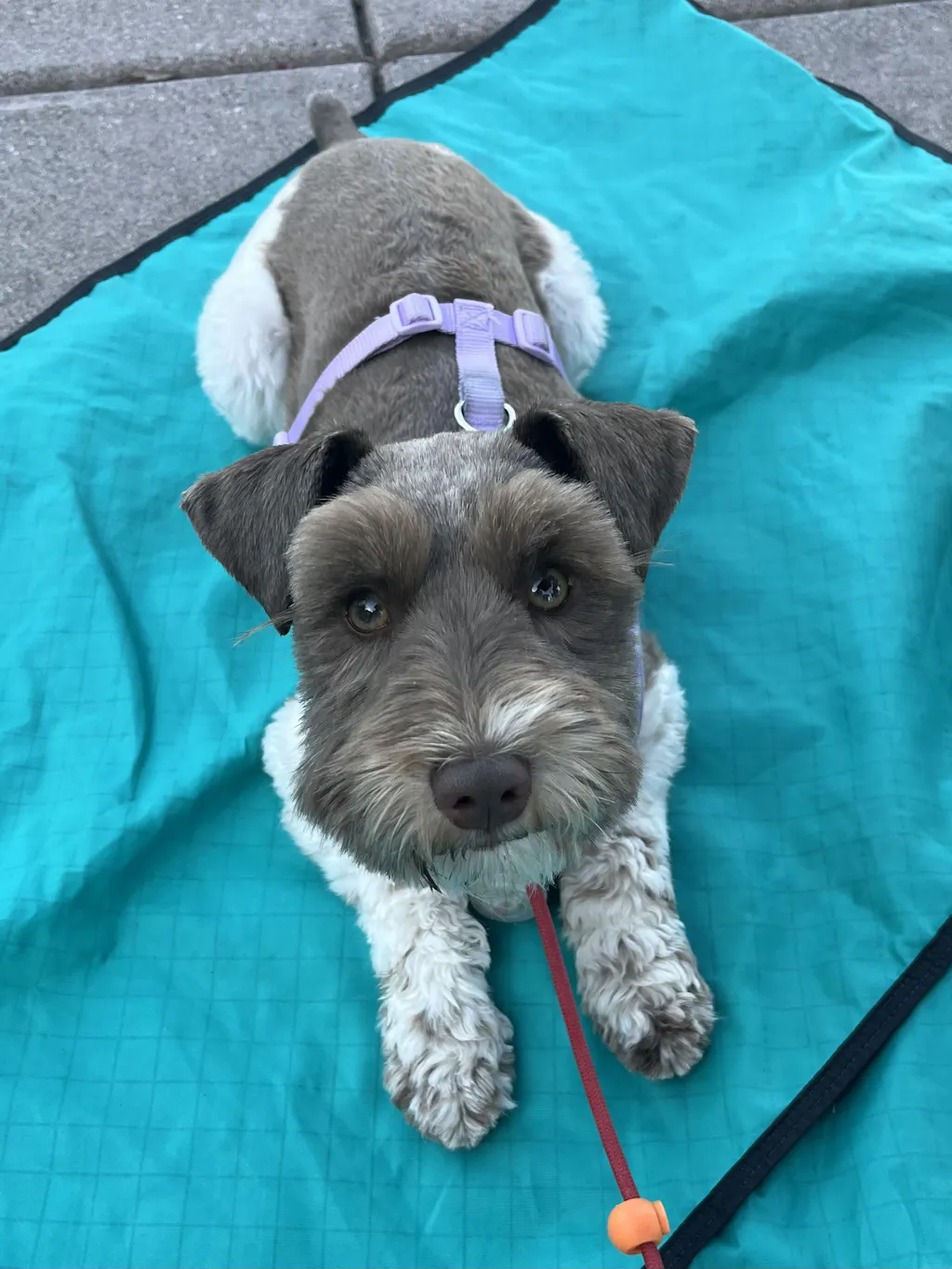
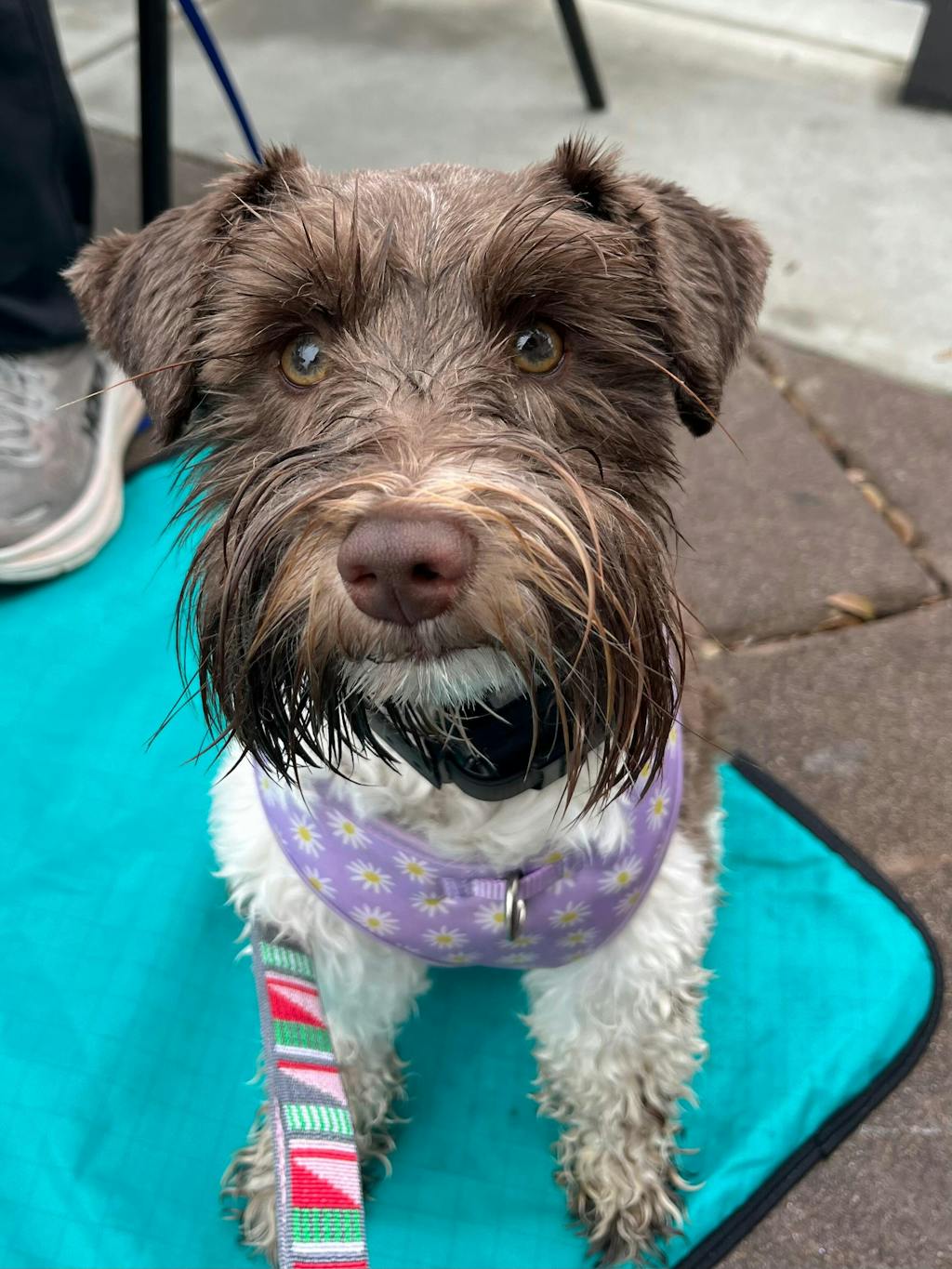
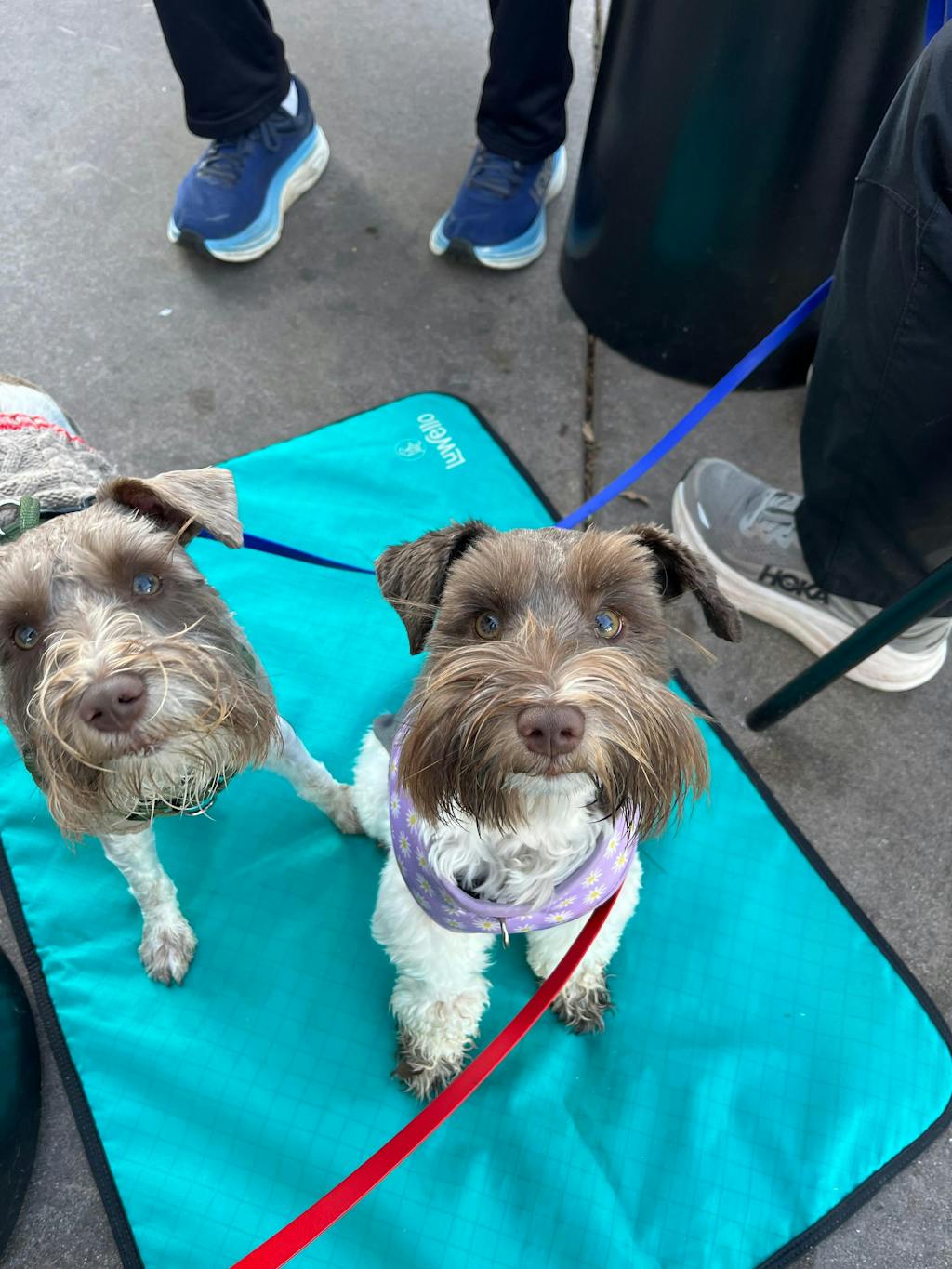
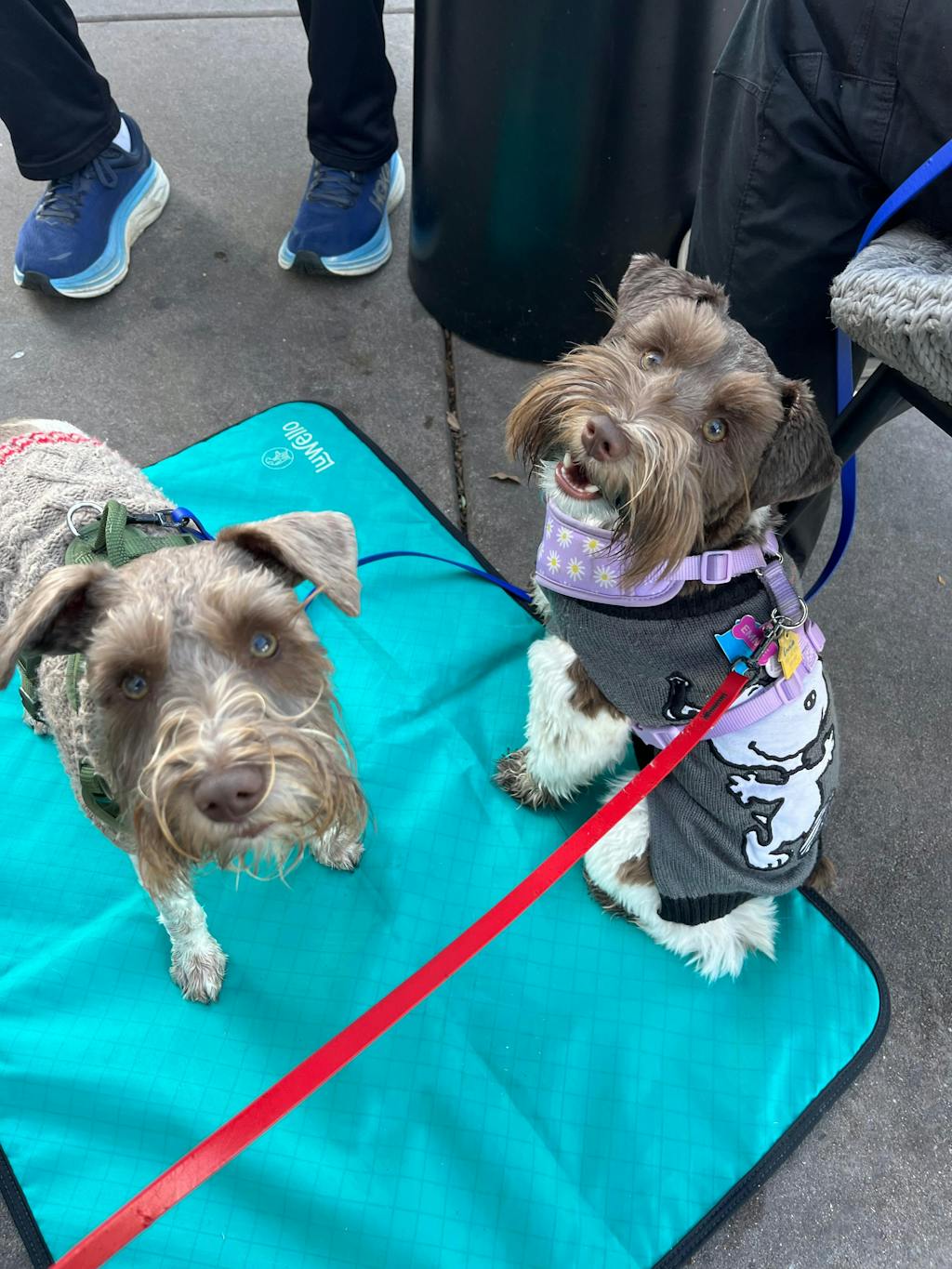
A Roman harness is designed so the attachment point sits at the chest, not the neck. This single structural difference changes how leash force is distributed across your dog's body.
Chest-Based Pressure Distribution
Rather than concentrating force at the throat, a Roman harness spreads leash pressure across the sternum and ribcage — areas built to handle load without compromising the airway.
Reduced Throat Pressure
Because the harness does not contact the trachea, there is no direct collar pressure on the windpipe during walks, regardless of how much your dog pulls.
Stability
A well-fitted Roman harness keeps your dog stable and secure without restricting movement. The Roman design specifically avoids the shoulder-pinching common in some front-clip harness styles, which can interfere with natural gait.
Comfort
Dogs prone to tracheal collapse are often already sensitive to any sensation around their neck and throat. A harness eliminates that contact point entirely, which can make a noticeable difference in how relaxed a dog is on leash.
Easier Breathing Support
With no external pressure on the trachea during activity, dogs with airway sensitivity can breathe more freely on walks. This matters especially for dogs who already have reduced airway capacity due to collapse.
Explore the Luwello Roman Harness collection — designed to be slim, lightweight, and built for dogs that are actually moving through the world.
Signs Your Dog's Current Walking Gear May Be a Problem
If any of these sound familiar, it may be time to reassess what your dog is wearing on walks:
- Coughing during or immediately after walks, but not at other times
- Gagging or making a honking sound when the leash goes taut
- Pawing at their neck or collar after walks
- Reluctance to go on walks they previously enjoyed
- Persistent throat-clearing behavior
- Visible discomfort when you clip the leash to their collar
None of these symptoms are normal, and none should be written off as "just how my dog is." If your dog is showing any of these signs consistently, a conversation with your vet and a switch to a properly fitted harness are both reasonable first steps.
Tips for Safer Walks with Dogs Prone to Tracheal Collapse
Switching to a harness is the most important gear change you can make, but there are a few additional things that help:
Get the fit right. A harness that sits too loose can shift and create friction; too tight and it restricts breathing. You should be able to slide two fingers comfortably under any strap.
Keep walks calm and steady. High-intensity bursts of activity can trigger coughing episodes. Moderate, consistent-pace walks are easier on the airway than stop-and-sprint patterns.
Avoid temperature extremes. Heat and humidity make breathing harder for dogs with compromised airways. Early morning or evening walks in summer can make a real difference.
Use a longer leash when possible. A longer line gives you more buffer before leash tension spikes, which reduces the chance of sudden pressure on the harness.
Work with your vet. Tracheal collapse is a medical condition. Gear can reduce irritation and slow progression, but it does not replace veterinary care. If your dog is symptomatic, your vet can help you understand the grade of collapse and what management looks like for your dog specifically.
Teach loose-leash walking. A dog that walks without pulling puts zero pressure on any gear. It is worth investing in training if your dog is a strong puller. Read more in our guide on training your dog to walk nicely on leash.
Frequently Asked Questions
Can a harness prevent tracheal collapse in dogs? A harness cannot reverse existing tracheal collapse or prevent a genetic predisposition. What it can do is eliminate collar pressure on the trachea during walks, which reduces irritation, lowers the risk of symptom flare-ups, and avoids one of the known aggravating factors for the condition.
What is the best harness for tracheal collapse? Look for a harness with a chest attachment point that sits below the throat and does not make contact with the neck. A Roman-style harness fits this profile well. Avoid harnesses with straps that cross the front of the throat or create pressure near the collar area.
Is a collar safe for a dog with tracheal collapse? Most veterinarians and veterinary surgeons advise against using a collar as a leash attachment point for dogs diagnosed with or predisposed to tracheal collapse. A collar can still be used for ID tags, but leash attachment should move to a harness.
What does tracheal collapse sound like? The most recognizable sign is a honking or goose-like cough. Some dogs also make a high-pitched wheeze or a gagging sound, particularly when excited, after drinking, or when leash pressure occurs. If you are hearing this consistently, a vet visit is the right next step.
My dog only coughs on walks. Could it be the collar? Yes. If coughing happens specifically during or after walks and not at rest, collar pressure is a common cause — especially in small breeds. Switching to a harness for a few weeks and monitoring whether symptoms improve is a reasonable test. Run it by your vet as well.
Every Luwello purchase supports canine cancer research — because the dogs who walk beside us deserve every chance.

2 comments
Hi Tracy – yes! We have harnesses that fit the tiniest dogs up to the biggest! Just measure with a soft measuring tape around the girthiest part of their chest, and then check our sizing chart! We have widths in 1/2’’, 3/4’’, and 1’’ sizing to best fit your style and dog. https://luwello.com/pages/sizing-chart
Hello! I have a 70 pound long-haired German Shepherd dog. I was wondering if your medium Roman harness would fit my dog?